A home should be a place of comfort, safety, and peace of mind. Unfortunately, pests can quickly disrupt that sense of security. From subtle signs like unexplained noises to more obvious indicators such as visible pest activity, infestations can affect both the physical condition of a home and the well-being of the people living in it. Residential pest control services exist to address these concerns in a structured, effective, and long-term way. Understanding what to expect from these services and why they matter can help homeowners make informed decisions about protecting their living spaces.
Pest Control Stuart is not just about eliminating pests when they appear. It is a comprehensive approach designed to prevent infestations, manage risks, and maintain a healthy home environment year-round.
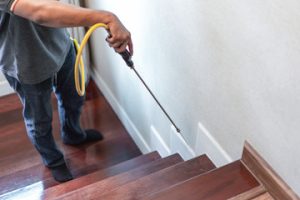
Why Residential Pest Control Is Essential
Pests are more than a nuisance. They can compromise hygiene, damage property, and create ongoing stress for homeowners. Many pests reproduce quickly and adapt easily to indoor environments, making infestations difficult to control without a strategic approach.
Residential pest control services address pest issues at their source. By focusing on prevention, monitoring, and targeted treatment, these services reduce the likelihood of recurring problems. This proactive approach saves time, money, and frustration in the long run.
Common Pest Challenges in Homes
Homes provide everything pests need to survive: shelter, food, and water. Kitchens, storage areas, basements, and bathrooms are particularly attractive due to warmth and moisture. Outdoor areas surrounding the home can also serve as entry points and nesting grounds.
Residential pest control services are designed to handle a wide range of pest challenges. Instead of reacting to a single issue, they consider the entire living environment and how pests interact with it.
What Residential Pest Control Services Typically Include
Residential pest control services are usually structured around a series of key steps. These steps work together to provide effective and lasting results rather than temporary relief.
Most services begin with a detailed inspection. This assessment helps identify existing pest activity, entry points, and conditions that may attract pests. From there, a customized plan is developed to address the specific needs of the home.
The Initial Inspection: Laying the Foundation
The inspection is one of the most important parts of residential pest control. During this stage, potential problem areas are identified, including hidden spaces where pests may nest or travel.
This process is not limited to visible pests. It also focuses on signs such as droppings, damage, moisture buildup, and structural gaps. A thorough inspection ensures that pest control efforts are targeted and effective from the start.
Customized Treatment Plans for Homes
No two homes are exactly alike, and neither are pest problems. Residential pest control services rely on customized treatment plans that consider the layout, construction, and surrounding environment of each home.
These plans focus on addressing current pest issues while also preventing future infestations. By tailoring solutions to specific conditions, residential pest control becomes more precise and efficient.
Preventive Measures as a Core Component
Prevention is a cornerstone of residential pest control services. Rather than relying solely on reactive treatments, these services aim to make homes less inviting to pests over time.
Preventive measures may include sealing entry points, managing moisture, and improving sanitation practices. These steps create an environment where pests struggle to survive, reducing the likelihood of infestations.
Ongoing Monitoring and Maintenance
Residential pest control is not a one-time event. Ongoing monitoring and maintenance play a critical role in long-term success. Regular visits help identify changes in pest activity and adjust strategies as needed.
This continuous approach ensures that pest risks are addressed before they escalate. Monitoring also helps account for seasonal changes that influence pest behavior.
Seasonal Considerations in Residential Pest Control
Pest activity changes throughout the year. Warmer seasons often bring increased outdoor activity, while cooler months may drive pests indoors in search of shelter.
Residential pest control services adapt to these seasonal patterns. By adjusting prevention and treatment strategies accordingly, they provide consistent protection regardless of the time of year.
The Importance of Safe and Responsible Practices
Safety is a major concern for homeowners, especially in households with children or pets. Residential pest control services prioritize responsible practices that focus on effectiveness while minimizing risk.
By emphasizing prevention and targeted solutions, these services reduce unnecessary exposure and create a safer living environment. Responsible pest control supports both comfort and peace of mind.
How Residential Pest Control Protects Property Value
Pests can cause gradual damage that may go unnoticed until it becomes serious. Structural components, insulation, and stored belongings are all vulnerable if infestations persist.
Residential pest control services help protect property value by preventing damage before it occurs. Early detection and intervention preserve the integrity of the home and reduce costly repairs.
Improving Indoor Air Quality and Hygiene
Pests can contribute to poor indoor air quality and unsanitary conditions. Droppings, nesting materials, and contamination can affect overall cleanliness and comfort.
By keeping pests under control, residential pest control services support a healthier indoor environment. This contributes to better hygiene and improved living conditions for occupants.
Reducing Stress and Enhancing Comfort
Living with pests can be stressful. The constant worry about infestations and potential damage can affect daily life. Residential pest control services alleviate this stress by providing reliable, ongoing protection.
Knowing that preventive measures are in place allows homeowners to enjoy their spaces without constant concern. Comfort and peace of mind are key benefits of professional pest management.
The Role of Education and Guidance
Residential pest control services often include guidance for homeowners. Understanding how pests enter homes and what conditions attract them empowers residents to support prevention efforts.
Simple changes in habits and maintenance routines can significantly improve results. Education turns pest control into a shared effort rather than a standalone service.
Addressing Both Indoor and Outdoor Areas
Effective residential pest control considers both indoor and outdoor environments. Many pests move between these spaces, using outdoor areas as staging grounds before entering the home.
Managing landscaping, drainage, and exterior structures helps reduce pressure on the interior. A comprehensive approach ensures that all potential risks are addressed.
Long-Term Cost Savings of Residential Pest Control
While some homeowners may hesitate due to upfront costs, residential pest control services often lead to long-term savings. Preventing infestations is far less expensive than dealing with widespread damage or repeated treatments.
Consistent maintenance reduces emergency situations and unexpected expenses. Over time, prevention proves to be a cost-effective strategy.
Supporting Sustainable Living Practices
Residential pest control services increasingly emphasize sustainability. By focusing on prevention and environmental management, they reduce the need for frequent interventions.
This approach supports healthier ecosystems while still providing effective protection. Sustainable pest control aligns with modern values of responsible home care.
Adapting to Changing Home Conditions
Homes change over time. Renovations, landscaping updates, and lifestyle shifts can all influence pest activity. Residential pest control services adapt to these changes by reassessing risks and adjusting strategies.
This flexibility ensures that pest management remains effective even as conditions evolve. Regular communication and monitoring support this adaptability.
Why Professional Residential Pest Control Matters
While do-it-yourself methods may offer temporary relief, they often fail to address the root causes of infestations. Residential pest control services provide expertise, structure, and consistency that are difficult to replicate independently.
Professionals understand pest behavior, seasonal trends, and prevention strategies. Their experience ensures that pest control efforts are both efficient and sustainable.
Building a Long-Term Pest Prevention Mindset
Residential pest control services encourage a shift in mindset. Instead of reacting to pests only when they appear, homeowners learn to prioritize prevention and maintenance.
This proactive perspective leads to better outcomes and fewer disruptions. Long-term thinking is essential for maintaining a pest-free home.
Residential pest control services play a vital role in protecting homes, health, and comfort. By offering structured inspections, customized plans, preventive measures, and ongoing monitoring, these services provide comprehensive protection against infestations.
Understanding what to expect helps homeowners appreciate the value of residential pest control. More than a response to pests, it is an investment in a safer, cleaner, and more comfortable living environment. With the right approach, residential pest control becomes a reliable foundation for year-round peace of mind.