Electricity is so deeply woven into the daily routines that most of us rarely stop to consider the expertise required to keep it flowing safely and efficiently. From the moment we switch on a light in the morning to the time we charge our devices at night, electricians play a crucial role in ensuring that homes and businesses operate without interruption. These skilled professionals do far more than install outlets or fix faulty wiring—they design, maintain, troubleshoot, and modernize the electrical systems that power contemporary life.
In today’s technology-driven world, the demand for qualified electricians continues to grow. Homes now rely on complex systems that include smart devices, high-efficiency appliances, electric vehicle chargers, and advanced climate control equipment. Businesses depend on a stable electrical infrastructure to support computers, servers, lighting, security systems, and heavy machinery. As electrical demands increase, so does the need for professionals who understand how to manage power safely and effectively. Hiring a licensed Electrician Jacksonville NC is not simply a practical choice; it is an investment in safety, efficiency, and long-term reliability.
The Expanding Role of Electricians
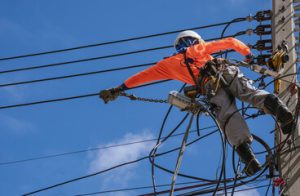
The image of an electrician climbing ladders and pulling wires through walls only tells part of the story. Modern electricians operate in a wide range of environments and handle projects that require technical knowledge, strategic planning, and problem-solving skills. They interpret electrical blueprints, perform load calculations, install panels and breakers, integrate renewable energy systems, and ensure compliance with evolving safety standards.
Electricians typically specialize in areas such as residential, commercial, or industrial services. Residential electricians focus on homes and small properties, installing lighting, upgrading panels, and troubleshooting wiring issues. Commercial electricians handle larger-scale systems in office buildings, retail spaces, and multifamily properties. Industrial electricians work with heavy machinery, automation systems, and high-voltage installations. Despite these differences, all electricians share a commitment to precision, safety, and code compliance.
Why Professional Expertise Matters
Electrical systems are not forgiving when mistakes occur. Improper wiring, overloaded circuits, or incorrect installations can lead to electrical fires, shocks, and costly equipment damage. Even seemingly minor issues—such as flickering lights or frequently tripped breakers—can signal deeper problems within the system.
Professional electricians bring specialized training and experience that protect property owners from these risks. Their work typically involves:
- Accurate Diagnosis of Electrical Problems – Electricians use advanced tools to pinpoint the root cause of issues rather than applying temporary fixes.
- Code-Compliant Installations – Every project is completed according to national and local electrical standards, ensuring safety and legal compliance.
- Long-Term Solutions – Instead of patchwork repairs, electricians implement durable solutions that prevent recurring problems.
Attempting do-it-yourself electrical work may seem cost-effective initially, but the potential consequences of errors often outweigh any short-term savings. A professional electrician ensures that installations and repairs are safe, reliable, and built to last.
Electricians and Home Modernization
As homes evolve, electricians are at the forefront of modernization efforts. The rise of smart home technology has transformed how homeowners interact with their living spaces. Lighting systems can now be controlled remotely, thermostats adjust automatically based on occupancy, and security systems integrate seamlessly with mobile devices. Electricians are responsible for safely installing and configuring these technologies.
Additionally, the growing popularity of electric vehicles has increased the demand for home charging stations. Installing an EV charger requires careful evaluation of the home’s electrical panel, circuit capacity, and wiring. An experienced electrician ensures that the system can handle the additional load without compromising safety.
Homeowners also turn to electricians for energy-efficient upgrades. Replacing outdated lighting with LED fixtures, installing energy monitoring systems, and upgrading panels to accommodate high-efficiency appliances are common projects that improve comfort while reducing energy consumption.
Enhancing Safety Through Preventive Care
One of the most valuable services electricians provide is preventive maintenance. Electrical systems naturally experience wear and tear over time. Connections loosen, components age, and demand increases as new appliances are added. Without regular inspections, these changes can create hidden hazards.
Preventive services often include:
- Inspecting panels and breakers for signs of overheating or corrosion.
- Testing outlets and switches to ensure proper function.
- Evaluating load distribution to prevent overloaded circuits.
- Replacing outdated wiring that may not meet current safety standards.
By addressing potential issues early, electricians reduce the likelihood of emergencies and extend the lifespan of the entire system. Preventive care also provides homeowners and business owners with peace of mind, knowing their property is protected against avoidable risks.
Energy Efficiency and Sustainability
Electricians are increasingly involved in helping property owners reduce their environmental impact. Energy efficiency is not only a cost-saving measure but also a key component of sustainable living. Professional electricians evaluate energy usage patterns and recommend improvements that lower consumption without sacrificing performance.
Common energy-focused services include:
- Lighting Retrofits – Upgrading to LED systems that use significantly less electricity and last longer than traditional bulbs.
- Smart Controls Installation – Adding timers, dimmers, and occupancy sensors to prevent unnecessary energy use.
- Panel and Circuit Optimization – Ensuring efficient power distribution to minimize heat loss and electrical strain.
In addition to efficiency upgrades, electricians may install renewable energy systems such as solar panels and battery storage units. These systems require careful integration with existing electrical infrastructure to operate safely and effectively. By embracing sustainable solutions, electricians contribute to a cleaner and more energy-conscious future.
Emergency Electrical Services
Electrical emergencies can occur without warning. Power outages, sparking outlets, burning smells, or exposed wiring require immediate professional attention. In such situations, the expertise of an electrician can prevent injury, property damage, or prolonged disruption.
Emergency electricians respond quickly to assess the situation, isolate hazards, and restore safe operation. Their training allows them to work efficiently under pressure while maintaining strict safety standards. Whether resolving a short circuit or replacing a damaged breaker, professional intervention ensures that emergencies are handled correctly and safely.
Supporting Commercial Operations
Businesses rely heavily on stable electrical systems to maintain productivity and protect assets. Even a brief power interruption can disrupt operations, affect revenue, and compromise customer trust. Electricians who specialize in commercial services design and maintain systems that support high-demand environments.
Their responsibilities may include:
- Installing large-scale lighting systems.
- Managing complex wiring for data and communication networks.
- Maintaining backup power systems.
- Conducting load calculations to support expansion.
Commercial electricians also help businesses comply with safety regulations, reducing liability and ensuring a secure environment for employees and customers. Through strategic planning and ongoing maintenance, they help organizations operate smoothly and efficiently.
The Training Behind the Trade
Becoming a professional electrician requires rigorous training and hands-on experience. Apprenticeships, technical education, and licensing exams ensure that electricians understand electrical theory, safety protocols, and practical application. This foundation equips them to handle projects of varying complexity and scale.
The continuous evolution of technology means electricians must also stay updated on new codes, equipment, and industry best practices. From smart home systems to renewable energy integration, ongoing education is essential to remain competitive and knowledgeable. When property owners hire a licensed electrician, they benefit from this extensive training and commitment to professional development.
Choosing the Right Electrician
Selecting a qualified electrician is an important decision that affects safety, efficiency, and long-term value. Property owners should prioritize professionals who demonstrate experience, proper licensing, and a commitment to code compliance.
When evaluating an electrician, consider:
- Experience with Similar Projects – Ensuring the electrician has handled comparable installations or repairs.
- Commitment to Safety Standards – Confirming adherence to current electrical codes and regulations.
- Clear Communication and Transparency – Understanding the scope of work, timelines, and potential upgrades.
A reputable electrician not only completes the task at hand but also guides on improving system performance and preventing future issues.
Long-Term Value of Professional Electrical Services
The benefits of hiring a professional electrician extend beyond immediate repairs or installations. Properly maintained electrical systems last longer, operate more efficiently, and pose fewer risks. Over time, these advantages translate into reduced maintenance costs, lower energy bills, and enhanced property value.
Electricians contribute to safer homes, more efficient businesses, and resilient infrastructure. Their expertise ensures that electrical systems evolve alongside technological advancements and growing energy demands. Whether modernizing a residence, supporting commercial expansion, or implementing sustainable solutions, electricians play an indispensable role in powering progress.
Conclusion
Electricians are the skilled professionals who keep modern life running smoothly. Their work encompasses design, installation, troubleshooting, maintenance, and innovation. In a world increasingly dependent on electricity, their expertise safeguards property, enhances energy efficiency, and supports technological advancement.
From preventive inspections to emergency repairs, electricians provide essential services that protect both people and property. By investing in professional electrical services, homeowners and business owners ensure safety, reliability, and long-term performance. In every switch flipped and every device powered, the value of a qualified electrician is quietly at work—delivering the energy that drives our daily lives.